

The Transformation of Corporate Management and Human Resource Departments
The evolution of human resource departments has been a cornerstone in the development of modern organizations. From the origins of welfare capitalism in the 1920s to the emergence of data-driven HR practices today, the history of HR reflects a dynamic interplay between societal shifts, economic pressures, and advances in management philosophy. Understanding this trajectory is crucial for any business leader seeking effective HR management in a modern context.
Welfare Capitalism and the Beginnings of Personnel Management
In the early 20th century, welfare capitalism emerged as a response to industrialization’s challenges. Large corporations began offering benefits such as pensions, paid vacations, and stock ownership plans. These initiatives, collectively known as personnel management, were designed to foster loyalty and improve productivity. Although rooted in a mix of benevolence and efficiency, these early HR efforts often aimed to minimize labor unrest and increase workforce stability.
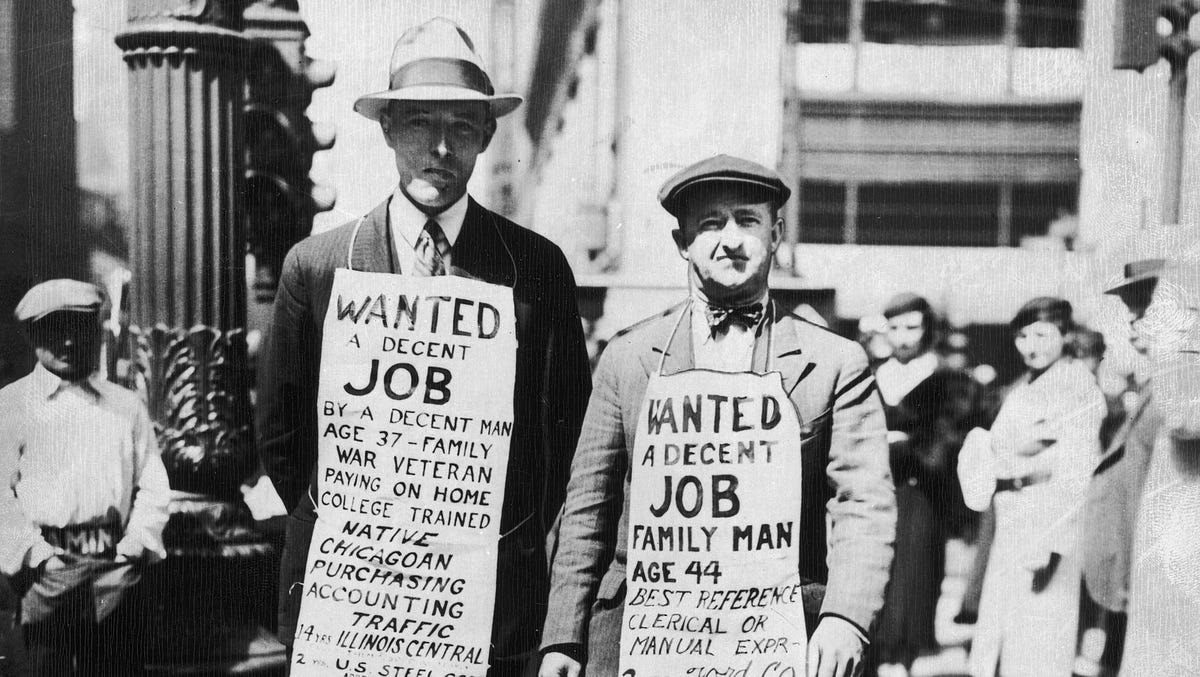
However, the Great Depression of the 1930s led to a rapid dismantling of many welfare capitalism programs. As economic hardship intensified, companies scaled back or eliminated employee benefits, and the credibility of progressive personnel strategies waned. Still, the seeds of formal human resource departments were planted during this era, setting the stage for further evolution.
Legal Foundations: The Impact of the Black Death and the Statute of Labourers
The roots of employer-employee relations go back even further, shaped by pivotal historical events such as the Black Death in Europe (1346-1353). This pandemic drastically reduced the population, creating a severe labor shortage. The scarcity of workers led to increased demands for higher wages and improved working conditions. In response, English rulers enacted legislation such as the Statute of Labourers in 1349, which sought to fix wages and compel able-bodied individuals to work at pre-plague rates.
This early law marked a significant moment in the development of labor regulation and common law traditions, laying the groundwork for future employer-employee dynamics. The legal frameworks established in the wake of the Black Death influenced centuries of labor relations, eventually informing the policies and practices managed by modern human resource departments.
The Rise of Human Resource Departments and Modern HR Practices
As industrialization progressed through the 20th century, companies recognized the need for dedicated HR teams to oversee workforce management, compliance, and employee relations. Human resource departments evolved from basic personnel offices into multifunctional units responsible for recruiting, training, performance management, and more.
The focus of HR began shifting from simple administration to strategic partnership with business leadership. This included not only managing benefits and payroll but also fostering organizational culture, enabling professional development, and driving employee engagement. The rise of collective bargaining, employment legislation, and the increasing complexity of labor relations further expanded the scope of the HR function.
Data-Driven HR: The New Frontier
Today, human resource departments are leveraging technology and data analytics to optimize workforce management. The use of HR analytics allows organizations to make informed decisions about hiring, retention, performance, and culture. Data governance and compliance have become critical, ensuring employee information is managed securely and in line with evolving regulations.
Modern HR leaders are expected to balance legal compliance with employee wellbeing, engagement, and business strategy. The integration of cloud-based HR systems, AI-powered recruitment tools, and comprehensive analytics platforms is transforming the way HR departments operate. This data-driven approach is not only improving efficiency but also empowering organizations to create more agile and responsive workforces.
The Enduring Importance of Human Resource Departments
The journey from welfare capitalism to today’s sophisticated HR operations highlights the enduring importance of human resource departments. As organizations face new challenges—from remote work trends to global talent competition—HR remains vital in navigating change and fostering sustainable growth.
Understanding the history and evolution of human resource management enables business leaders to appreciate the strategic value HR brings to the table. By learning from the past and embracing innovation, companies can ensure their HR departments continue to drive organizational success well into the future.
This article is inspired by content from Original Source. It has been rephrased for originality. Images are credited to the original source.